ICT Club Launched at Lwala Girls Secondary School to Inspire Digital Innovation in Kalaki District
Kalaki District, Lango Sub-Region — February 27, 2026
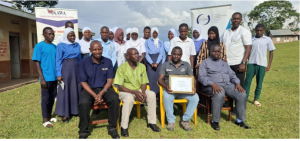
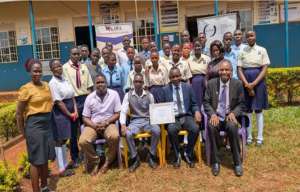
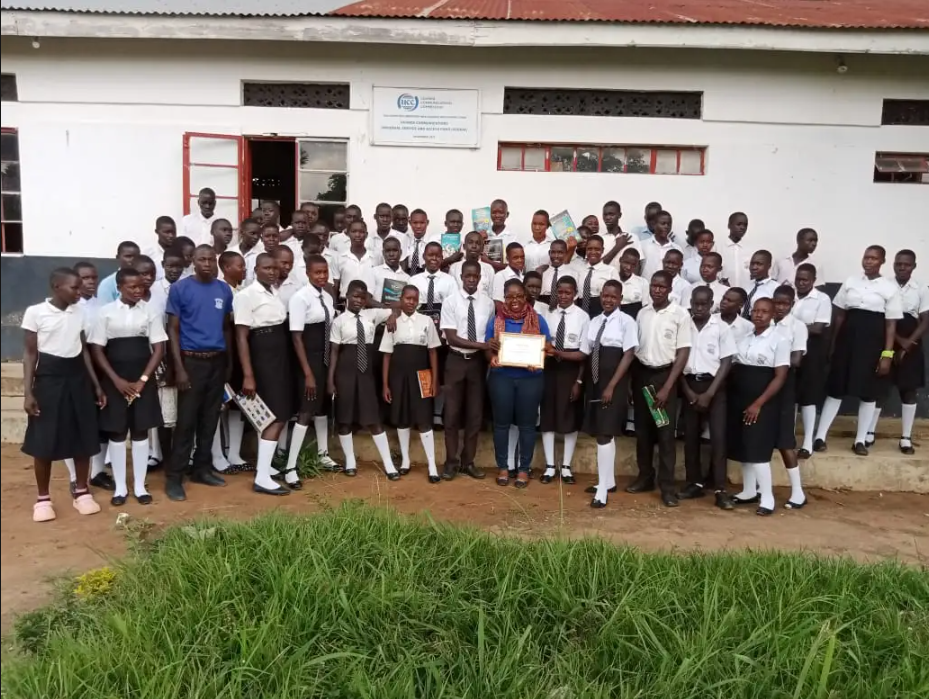
Learners at Lwala Girls Secondary School in Kalaki District have taken a significant step toward digital empowerment following the successful launch and training of the school’s ICT Club. The initiative was facilitated by KAWA (Kisubi Associated Writers Agency) in collaboration with the Uganda Communications Commission (UCC) through the Uganda Communications Universal Service and Access Fund (UCUSAF).
The programme forms part of a nationwide initiative aimed at equipping learners with practical digital skills, innovation capacity, and responsible technology use, preparing students for participation in Uganda’s growing digital economy
Strengthening Digital Learning in Kalaki District
Lwala Girls Secondary School is located along the Otuboi–Dokolo Road in Kalaki County, within Kalaki District in the Lango Sub-Region of Northern Uganda. The school lies approximately 360 kilometres north of Kampala, Uganda’s capital city, and about 15 kilometres from Kalaki Town, the district’s main administrative centre.
The school serves learners from surrounding rural communities, providing access to secondary education and opportunities for leadership and personal development. The launch of the ICT Club now opens new opportunities for students to explore technology, coding, innovation, and digital problem-solving skills.
The ICT Club launch and training were facilitated by Kyasima Freedom, working closely with the school administration led by Mr. Eceru Joseph, the headteacher. The ICT Club activities are coordinated by Mr. Kapsikorya Bismark, the ICT Club patron.
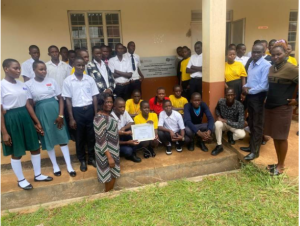
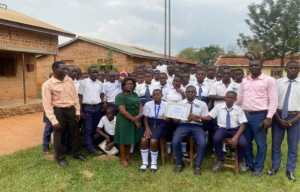
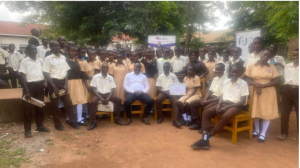
A total of 70 learners participated in the training and orientation session, demonstrating strong enthusiasm for digital learning and innovation.
Students Express Strong Interest in Digital Skills
Before the training began, learners were invited to share their expectations regarding the ICT Club.
Many students expressed interest in learning how to use computers effectively, gaining exposure to coding and digital innovation, and understanding how technology can be used to solve problems within their communities.
Others hoped the ICT Club would help them develop creativity, teamwork, and problem-solving skills, while also preparing them for future careers that require digital knowledge and technological competence.
Promoting Innovation and Responsible Technology Use
During the orientation session, facilitators explained that ICT Clubs aim to nurture innovative thinkers and responsible digital citizens.
Students were encouraged to view technology not only as a communication tool but also as a platform for developing practical solutions to community challenges.
Through ICT Club activities, learners are expected to strengthen leadership skills, collaboration, and creativity, while also taking responsibility for managing and protecting ICT resources within their school.
Interactive Digital Skills Training
The training session included interactive discussions and demonstrations covering several important digital learning areas, including:
- The role of ICT in education and community development
- Introduction to coding and technology innovation
- Responsible use of digital technologies
- Teamwork and collaboration in innovation projects
These sessions helped learners understand how digital skills can contribute to sectors such as education, agriculture, entrepreneurship, and community development.
Students were also introduced to digital learning opportunities that support innovation projects, mentorship, and participation in national ICT initiatives.
Official Establishment of the ICT Club
During the visit, the ICT Club at Lwala Girls Secondary School was formally established. Student leaders were selected to coordinate club activities and mobilise other learners to participate in ICT programmes.
Learners were also guided on the importance of leadership, teamwork, and accountability in ensuring that the club remains active and sustainable.
To support the club’s organisation, the school received important reference materials, including the ICT Club Handbook and a sample ICT Club Constitution, which will guide club operations throughout the year.

Preparing Students for NCC Innovation Opportunities
Students were informed about opportunities to participate in national ICT innovation events such as the National Conference on Communications (NCC).
Learners were encouraged to begin thinking about innovative ICT projects that could represent their school at national competitions, inspiring them to explore creative ways technology can address challenges within their communities.
Engagement with School Leadership
In addition to student training, discussions were held with the school administration, ICT Club patron, and teachers to strengthen institutional support for the programme.
The discussions emphasized the need for regular ICT Club meetings, teacher mentorship, and strong administrative support to ensure sustainability of the club.
Key Challenges Affecting ICT Learning
During the visit, several challenges affecting ICT development at the school were identified.
Lack of Computers
The school previously had computers, but they were stolen, leaving learners with very limited access to ICT equipment for practical learning.
Lack of Internet Connectivity
The school currently does not have internet access, limiting students’ ability to access online tutorials, digital learning materials, and innovation platforms.
Without internet connectivity, learners face difficulties in conducting research, practising coding, and developing digital projects.
Limited Exposure to Advanced ICT Skills
Due to the absence of computers and internet services, students have limited opportunities to practise advanced ICT skills, including coding, digital research, and application development.
Changes in School Structure
It was also observed that the school, which was originally established as a girls’ secondary school, has recently transitioned into a mixed school due to declining female enrolment.
Recommendations for Strengthening ICT Education
To strengthen ICT learning and ensure sustainability of the ICT Club, several recommendations were proposed:
- Support the school in acquiring computers and ICT equipment for practical learning
- Establish reliable internet connectivity to support digital learning and innovation
- Improve security measures to prevent theft of ICT equipment
- Provide continuous mentorship and follow-up training for students and teachers
These improvements will help the school develop a strong digital learning environment capable of nurturing future innovators.
A Promising Future for Digital Innovation
Despite the challenges identified, the launch of the ICT Club at Lwala Girls Secondary School generated significant enthusiasm among learners and teachers.
Students expressed excitement about learning coding, technology innovation, and digital problem-solving skills, while the ICT Club patron committed to supporting the club leadership and encouraging active participation.
With improved ICT infrastructure and continued support from KAWA and the Uganda Communications Commission, the ICT Club has the potential to become a vibrant hub for digital learning and innovation in Kalaki District and the wider Lango Sub-Region.