ICT Club Launched at Agule High School to Strengthen Digital Skills Among Students

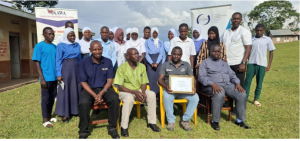
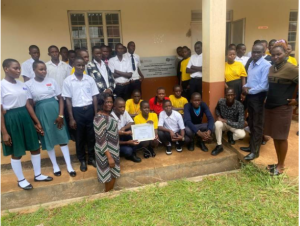
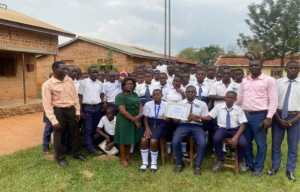
PALLISA DISTRICT, EASTERN UGANDA – Agule High School has taken a significant step toward advancing digital literacy and innovation among its learners following the successful launch of the school’s ICT Club on Tuesday, 24th February 2026. The launch and training were facilitated by Noah Okwalinga of Kisubi Associated Writers Agency (KAWA) under the national ICT Clubs programme supported by the Uganda Communications Commission (UCC) and the Uganda Communications Universal Service and Access Fund (UCUSAF).
About Agule High School
Agule High School is located in Agule Sub-county in Pallisa District, within the Bukedi sub-region of Eastern Uganda. Pallisa District lies approximately 190 kilometers east of Kampala, Uganda’s capital city, along the Tirinyi–Mbale highway corridor. The district’s main urban center is Pallisa Town, which serves as the administrative and commercial hub of the district.
The school serves learners from surrounding rural and semi-urban communities and continues to position itself as an emerging center for academic excellence and digital learning in the region.
Purpose of the ICT Club Launch
The visit to the school aimed to officially establish the Agule High School ICT Club, orient students and school leadership on the objectives of the programme, and provide learners with foundational digital skills and practical knowledge that extend beyond classroom ICT lessons.
Through the ICT Club initiative, learners are expected to develop deeper engagement with technology while also supporting the sustainability and proper management of the school’s computer laboratory.
Students’ Expectations
Before the training sessions began, students shared their expectations for the club. Many expressed enthusiasm about gaining practical computer skills, learning basic maintenance and protection of ICT equipment, and improving their internet usage and digital literacy.
Some learners also showed interest in exploring coding, innovation, teamwork, mentorship opportunities, and digital creativity, highlighting the growing curiosity among students about careers in technology.
Building Responsible Digital Citizens
During the orientation session, facilitators emphasized that the ICT Club is not simply a learning group but also a student-driven initiative designed to promote responsibility and leadership in managing school ICT resources.
Members were encouraged to take ownership of the computer laboratory by supporting equipment maintenance, ensuring responsible use of technology, and helping fellow students improve their digital skills.
Official Launch Message
The official launch was conducted through a recorded speech from the Executive Director of UCC, Mr. Nyombi Thembo. In his message, he emphasized the importance of digital transformation, responsible technology use, and innovation among young people.
Students were reminded that they are part of a nationwide programme aimed at empowering learners with digital competencies necessary for the modern world.
Establishment of the ICT Club Structure
Working closely with the school administration, ICT teachers, and the club patron, KAWA guided the learners through the formation of the club leadership structure. Student leaders were selected to coordinate activities and ensure accountability.
A standard ICT Club constitution template was also provided to guide operations, leadership responsibilities, and sustainability of the club.
ICT Club Handbook and Learning Resources
To support continuous learning, the school received the ICT Club Handbook, which outlines guidelines on club management, leadership development, innovation activities, and digital skill training.
Learners were also introduced to the ICT Clubs learning platform (www.ictclubs.ug) where they can access tutorials, innovation resources, and additional materials to enhance their digital knowledge.
Digital Skills Training
The launch event included practical training sessions covering several key areas, including:
- ICT laboratory management and sustainability
- Basic computer maintenance and troubleshooting
- Internet safety and cybersecurity awareness
- Introduction to coding and digital innovation
- Exposure to emerging technologies such as Artificial Intelligence
These sessions emphasized responsible use of technology, protection of ICT equipment, and practical problem-solving skills.
Expected Impact of the ICT Club
The ICT Club is expected to produce several positive outcomes within the school community, including:
- Sustainable management of the school computer laboratory
- Increased student ownership and leadership in ICT initiatives
- Improved digital literacy and responsible internet use
- Development of practical technology skills beyond the classroom
- Exposure to coding, innovation, and digital creation
- Direct mentorship opportunities through UCC and UCUSAF programmes
Preparing Students for NCC 2026
Students were also informed that active ICT Club members may participate in the Annual National Conference on Communications (NCC) 2026. This opportunity motivated learners to begin thinking about innovation projects, teamwork, and creative solutions using technology.
Engagement with School Leadership
KAWA also engaged with the Headteacher, Ms. Sherani Rebecca, the ICT Club patron, and ICT teachers to strengthen institutional support for the initiative. Discussions focused on ensuring regular club meetings, mentorship from teachers, and sustained school-level support.
Challenges Identified
During the discussions, several potential challenges were highlighted, including:
- Unreliable power supply
- Limited ICT infrastructure
- Restricted time for club activities within the school schedule
- Varying levels of digital literacy among learners
Addressing these challenges will be essential to ensure the long-term success and sustainability of the ICT Club.
Way Forward
The school administration was encouraged to allocate regular time for ICT Club activities and strengthen mentorship structures. Continued collaboration with KAWA, UCC, and UCUSAF will also help provide ongoing training, mentorship, and innovation opportunities for students.
Conclusion
The launch of the ICT Club at Agule High School marks an important milestone in expanding digital learning opportunities for students in rural Uganda. By empowering learners with practical ICT skills, leadership experience, and exposure to innovation, the initiative contributes to building the next generation of digital thinkers and technology leaders.
KAWA expressed appreciation to UCC and UCUSAF for their continued support in expanding ICT Clubs across schools in Uganda, helping to bridge the digital divide and prepare students for future opportunities in the digital economy.