ICT Club Launched at Gulu Army Secondary School to Strengthen Digital Innovation in Northern Uganda
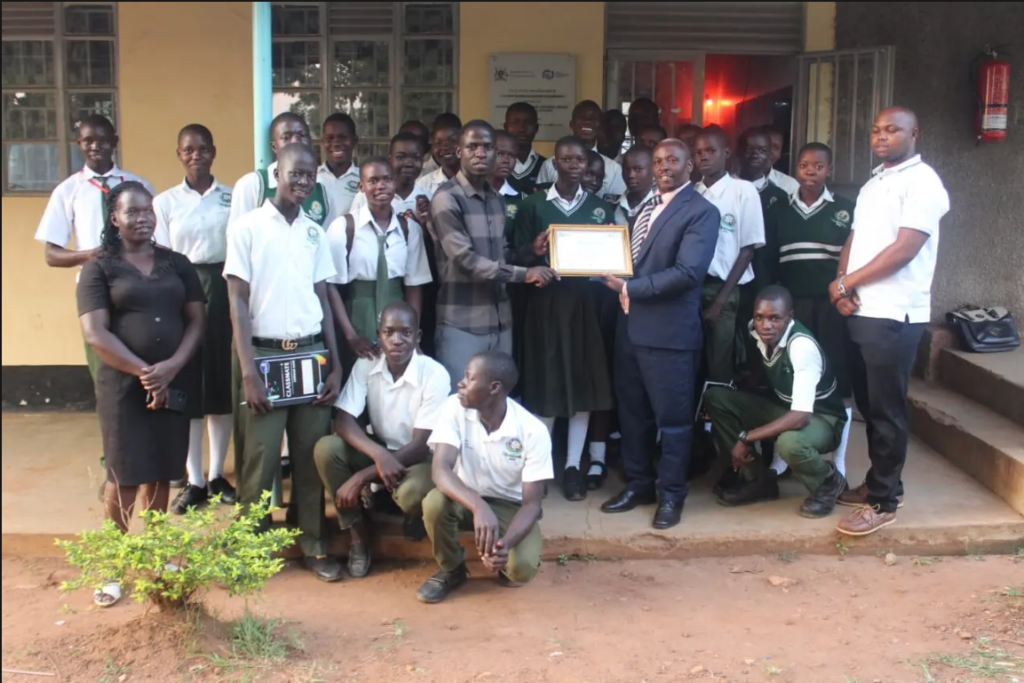
Gulu City, Acholi Sub-Region — February 24, 2026
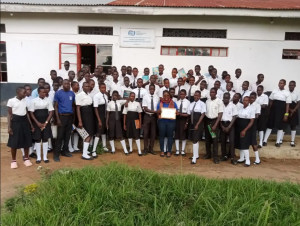
Students at Gulu Army Secondary School in Gulu City have officially joined Uganda’s growing network of young digital innovators following the successful launch and training of the school’s ICT Club. The activity was facilitated by Kisubi Associated Writers Agency (KAWA) in partnership with the Uganda Communications Commission (UCC) through the Uganda Communications Universal Service and Access Fund (UCUSAF).
The initiative forms part of a national programme aimed at equipping learners with practical digital skills, innovation capacity, and responsible technology use, enabling students to actively participate in Uganda’s evolving digital economy.
A Leading Secondary School in Northern Uganda
Gulu Army Secondary School is located in Gulu Municipality within Gulu District, part of the Acholi Sub-Region of Northern Uganda. The school lies approximately 330 kilometres north of Kampala, Uganda’s capital city, and about 2 kilometres from the centre of Gulu City, the largest urban centre in Northern Uganda.
Serving learners from Gulu City and surrounding districts, the school is well known for its commitment to academic excellence and leadership development. The establishment of the ICT Club now creates a new platform for students to explore technology, coding, innovation, and digital problem-solving skills.
The ICT Club launch and training session were facilitated by Noah Okwalinga, working closely with the school leadership headed by Mr. Kenneth Kwikiriza, the headteacher. The ICT Club activities are coordinated by Mr. Kasozi Maxwell, the ICT teacher and club patron.
A total of 33 students participated in the training and orientation session, demonstrating strong enthusiasm for digital learning opportunities.
Students Eager to Develop Practical ICT Skills
Before the training began, learners were invited to share their expectations from the ICT Club.
Many students expressed interest in gaining practical computer skills beyond normal classroom lessons, learning how to maintain and protect ICT equipment, and improving their internet research abilities.
Others were eager to explore coding, digital design, and technology innovation, while some learners hoped the ICT Club would help them develop teamwork, creativity, and leadership skills necessary for future careers in the digital world.
Promoting Responsible Use of Technology
During the orientation session, facilitators emphasized that ICT Clubs aim to empower learners to become responsible digital citizens and creative innovators.
Students were encouraged to view ICT not only as a communication tool but also as a platform for developing solutions to challenges in their communities.
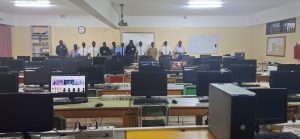
Through the ICT Club, learners will also take part in supporting the maintenance and sustainability of the school ICT laboratory, strengthening student ownership and responsibility.
Practical Digital Skills Training
The launch event included interactive digital skills training sessions covering several key areas of digital learning, including:
- ICT laboratory management and sustainability
- Basic computer maintenance and troubleshooting
- Internet safety and cybersecurity awareness
- Introduction to coding and digital innovation
- Responsible use of digital tools and technology
Through these activities, learners gained an understanding of how digital skills can be applied in fields such as education, agriculture, entrepreneurship, and community development.
Students were also introduced to the national ICT Clubs learning platform www.ictclubs.ug, which provides tutorials, innovation resources, and digital learning materials to support continuous learning.
Official Launch of the ICT Club
The official launch of the ICT Club included a recorded message from Mr. Nyombi Thembo, Executive Director of the Uganda Communications Commission.
In his message, he emphasized the importance of digital literacy, responsible technology use, and innovation among young people, encouraging learners to develop solutions that address real challenges within their communities.
He also highlighted that ICT Clubs are part of a national programme supported by UCC and UCUSAF aimed at nurturing Uganda’s next generation of technology innovators.
Establishing ICT Club Leadership
During the visit, KAWA worked closely with the school administration and teachers to establish the ICT Club and guide learners in forming a student leadership structure.
Student leaders were selected to coordinate club activities, mobilise members, and ensure sustainability of the initiative.
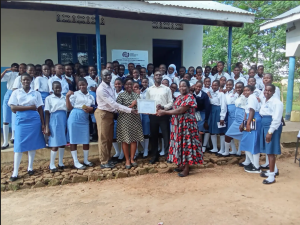
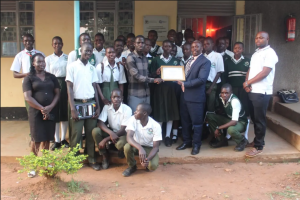
The school also received the ICT Club Handbook and a standard ICT Club constitution template to guide the organisation and management of club activities throughout the year.
Preparing Students for NCC 2026
Learners were informed that ICT Club members across Uganda are being prepared for participation in the National Conference on Communications (NCC) 2026, where schools will showcase innovative technology projects developed by students.
This encouraged learners to begin thinking creatively about technology-based solutions that can address challenges within their communities, while strengthening collaboration and innovation within the ICT Club.
Engagement with School Leadership
In addition to student training, the KAWA team held discussions with the headteacher, ICT Club patron, and teachers to strengthen school-level support for the programme.
The discussions emphasized the importance of regular ICT Club meetings, strong mentorship from teachers, and continued support from the school administration to ensure sustainability of the initiative.
Key Challenges Identified
Despite the success of the launch, several challenges affecting ICT learning at the school were identified. These included unreliable power supply, limited ICT infrastructure, limited time allocated for club activities, and varying levels of digital literacy among learners.
Addressing these challenges will be essential in ensuring that students can fully benefit from the opportunities provided by the ICT Club programme.
Recommendations for Strengthening ICT Learning
To support the growth and sustainability of the ICT Club, the school was encouraged to allocate regular time for ICT Club meetings and innovation activities.
Improving ICT infrastructure and strengthening administrative support will help the school develop a strong digital learning environment capable of nurturing future innovators.
Continued mentorship and technical support from KAWA and the Uganda Communications Commission will also help learners strengthen their digital skills and develop meaningful technology projects.
Building the Next Generation of Digital Innovators
The launch of the ICT Club at Gulu Army Secondary School marks an important milestone in strengthening digital education and innovation in Northern Uganda.
The enthusiasm demonstrated by students and teachers highlights the strong potential of the ICT Club to grow into a vibrant hub for digital learning, creativity, and innovation in the Acholi Sub-Region.
With continued support from KAWA and the Uganda Communications Commission, the initiative is expected to nurture young innovators and future technology leaders in Uganda.