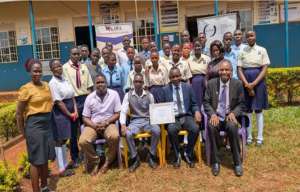
ICT Club Launched at St. Peter Namalikya Secondary School to Enhance Digital Skills in Buyende District
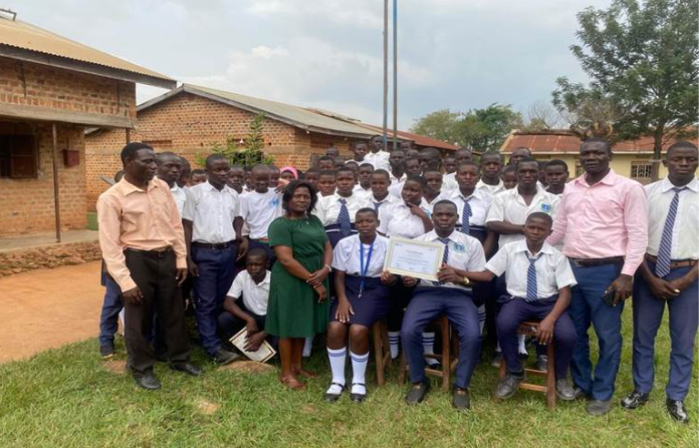
St. Peter Namalikya Secondary School is located in Bugaya, Butaswa Parish, Namalikya Sub-county, within Buyende District in the Eastern Region of Uganda. The school is approximately 165 kilometers northeast of Kampala and lies near the main town of Buyende, providing students with access to digital learning opportunities and regional educational resources.
Launch Overview:
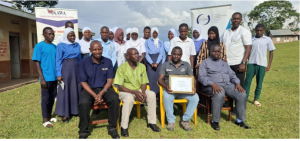
The ICT Club launch and training were facilitated by Kisubi Associated Writers Agency under the ICT Clubs programme supported by Uganda Communications Commission and Uganda Communications Universal Service and Access Fund. The session, conducted by Ms. Valeria Wanyana, aimed to equip students with foundational ICT knowledge and strengthen the school’s capacity for digital learning.
Learners’ Expectations and Engagement:
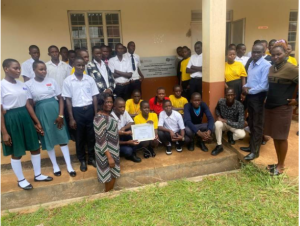
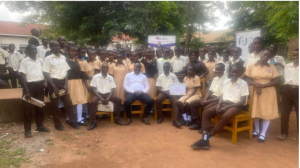
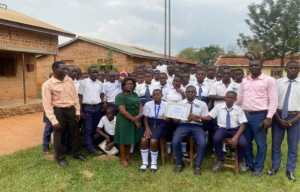
A total of 58 students from Senior One to Senior Six participated in the launch. Learners expressed keen interest in practical computer skills, learning to maintain ICT equipment, improving internet usage, and exploring coding, innovation, and digital content creation. Many students highlighted expectations such as mentorship, teamwork, and problem-solving skills relevant to modern digital environments.
ICT Club Objectives:
The ICT Club at St. Peter Namalikya Secondary School is designed to:
- Build student capacity to manage and sustain school ICT resources.
- Promote ownership and responsibility in maintaining computer labs.
- Equip learners with practical ICT skills beyond classroom theory.
- Prepare students for future participation in the National Conference on Communications (NCC) 2026.
Training and Resources:
KAWA Uganda delivered training using presentations, practical demonstrations, and interactive sessions. Students were introduced to the ICT Clubs online platform (www.ictclubs.ug), which provides access to tutorials, resources, and innovation materials for continued learning.
The launch emphasized responsible technology use, digital literacy, and innovation, reinforcing the students’ role in sustaining ICT laboratories and contributing to Uganda’s broader digital transformation agenda.
Leadership and Sustainability:
School leadership, under Headteacher Maseege Simon Peter, and ICT Club patron William Ndyaba, worked with KAWA Uganda to establish a student leadership structure. Learners were guided on leadership, accountability, and active participation in club operations. A standard ICT Club constitution and handbook were provided to support long-term sustainability.
Digital Skills Development:
Students received training in:
- ICT laboratory management and sustainability
- Basic computer maintenance and troubleshooting
- Internet safety and cybersecurity awareness
- Introduction to coding, innovation, and Artificial Intelligence
Challenges Identified:
- Limited internet connectivity affecting access to online learning resources.
- Gaps in teacher training and digital competency.
- Need for additional ICT equipment and digital resources.
Recommendations:
- Allocate regular time for ICT Club activities.
- Ensure the ICT patron guides students in developing projects that address real community problems.
- Increase support for ICT infrastructure and access to online learning resources.
Conclusion:
The launch of the ICT Club at St. Peter Namalikya Secondary School marks a key step in advancing digital literacy in Buyende District. With support from UCC Uganda and UCUSAF Uganda, and technical guidance from KAWA Uganda, students are now empowered with practical ICT skills, inspired to innovate, and prepared for future opportunities in technology, including the NCC 2026 competition.