Machine Learning – The Foundation of Modern AI
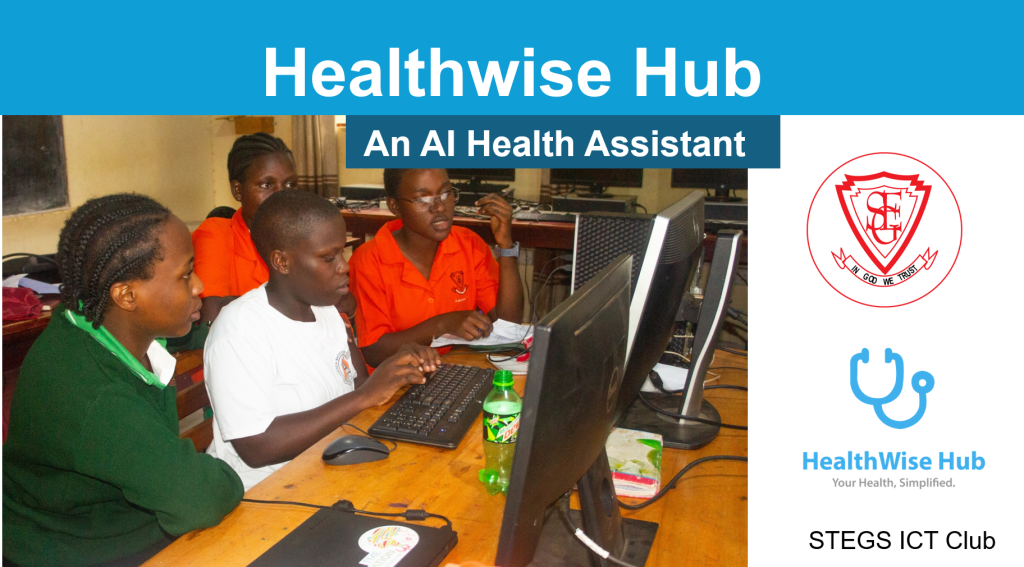
Artificial Intelligence (AI) may sound broad and futuristic, but at its heart lies Machine Learning (ML). Machine Learning is the core technology that allows computers to learn from data instead of being explicitly programmed. It is the foundation behind self-driving cars, voice assistants, facial recognition, and even fraud detection in mobile money transactions. For students in Uganda, understanding Machine Learning is crucial because it is the gateway to creating AI tools that can address local challenges in education, health, agriculture, and beyond.
1) What is Machine Learning?
Machine Learning is a branch of AI where computers are trained to recognize patterns and make decisions without needing step-by-step instructions from humans. Instead of telling the computer “if this happens, do that”, we give it large amounts of data, and it learns the rules by itself.
Example: Imagine training a Machine Learning model to recognize spoken Luganda words. Instead of writing long instructions about how every sound is pronounced, we provide thousands of audio clips of Luganda words with their meanings. The model then “learns” the relationship between the sounds and their meanings, enabling it to recognize new recordings in the future.
This ability to learn patterns automatically is what makes Machine Learning so powerful and flexible.
2) How Does Machine Learning Work?
The process of Machine Learning can be broken into three key steps:
- Data Collection and Preparation
The model needs examples to learn. These examples are called training data. For a crop disease detection model, this data could be thousands of labeled pictures of healthy and diseased maize plants. The data must be cleaned and organized, because poor-quality data leads to poor predictions. - Training the Model
The computer uses mathematical formulas (algorithms) to find patterns in the training data. During this stage, the model “learns” the relationship between inputs (like images of crops) and outputs (like disease labels). - Testing and Improving
Once trained, the model is tested on new, unseen data. If it makes mistakes, developers adjust the algorithm or provide more training data. The model keeps improving the more quality data it sees.
📌 Ugandan Example: Imagine creating a Machine Learning model for boda boda drivers that predicts the safest routes based on past accident data, weather reports, and traffic patterns. With enough accurate data, the model could help reduce accidents and save lives.
3) Types of Machine Learning
Machine Learning is not one-size-fits-all. There are different approaches, each suited to particular problems:
- Supervised Learning
In supervised learning, the model is trained with labeled data (where the answer is already known). Example: Training a model with labeled medical records to predict whether a new patient has malaria. - Unsupervised Learning
Here, the data has no labels, and the model tries to find patterns by itself. Example: Grouping Ugandan farmers based on similarities in crop yields, without being told which group they belong to. - Reinforcement Learning
In this method, the model learns by trial and error, receiving rewards or penalties based on its actions. Example: A robot farmer that learns the best way to water crops by trying different methods and being rewarded for conserving water while keeping crops healthy.
Each type of learning can be applied in schools, hospitals, businesses, or communities to solve real-world challenges.
4) Why is Machine Learning Important in Uganda?
Machine Learning has direct applications in Uganda’s development.
- Education: ML can help schools predict which students need extra help by analyzing test scores, attendance, and class participation.
- Agriculture: ML can detect crop diseases early, recommend the right fertilizers, and predict rainfall patterns to support farmers.
- Healthcare: ML can help doctors diagnose diseases faster by analyzing X-rays, blood samples, or even patient symptoms recorded in local clinics.
- Finance: Banks and mobile money platforms can use ML to detect fraud in real-time, protecting people’s savings.
These are not futuristic dreams—they are applications already happening in other countries, and Uganda can adopt and adapt them through ICT Clubs and innovation hubs.
5) Challenges of Machine Learning
While Machine Learning is powerful, it comes with challenges.
- Data Quality: If the training data is biased or incomplete, the model will make wrong predictions. For example, if a health model is only trained on European patients, it may not correctly diagnose diseases in Ugandans.
- Computing Power: Some ML models require powerful computers, which may be costly for many schools. However, free online tools and cloud platforms can help overcome this challenge.
- Ethical Concerns: Machine Learning can unintentionally discriminate if not properly designed. For example, a hiring model might unfairly reject candidates based on gender or background if the data was biased.
For these reasons, students must not only learn how to use ML, but also how to question and improve it responsibly.
6) Practical Example for ICT Clubs
ICT Clubs can start experimenting with Machine Learning today using free tools like Google’s Teachable Machine. Students can train a simple model to recognize hand gestures, animal sounds, or even Luganda vs. English words. Through these activities, they will see how the model improves with more examples, and also where it struggles—helping them develop critical thinking about AI.
📌 Activity Idea: Train a model to recognize different Ugandan coins (50 shillings, 100 shillings, 200 shillings, etc.). Take clear pictures of each coin and upload them. Then test the model with new pictures to see if it correctly identifies the coin. This simple project introduces the basic workflow of ML: data → training → testing → prediction.
Machine Learning is the foundation of modern AI. It allows computers to learn from data, adapt to new information, and make predictions that impact everyday life. For Uganda’s ICT Clubs, understanding ML is the first step toward building homegrown solutions—from smart agriculture apps to healthcare innovations. By learning and experimenting with ML, students move closer to becoming not just users of AI, but innovators shaping Uganda’s AI-powered future.