ICT Club Launched at Otuboi Comprehensive Secondary School to Advance Digital Innovation in Kalaki District
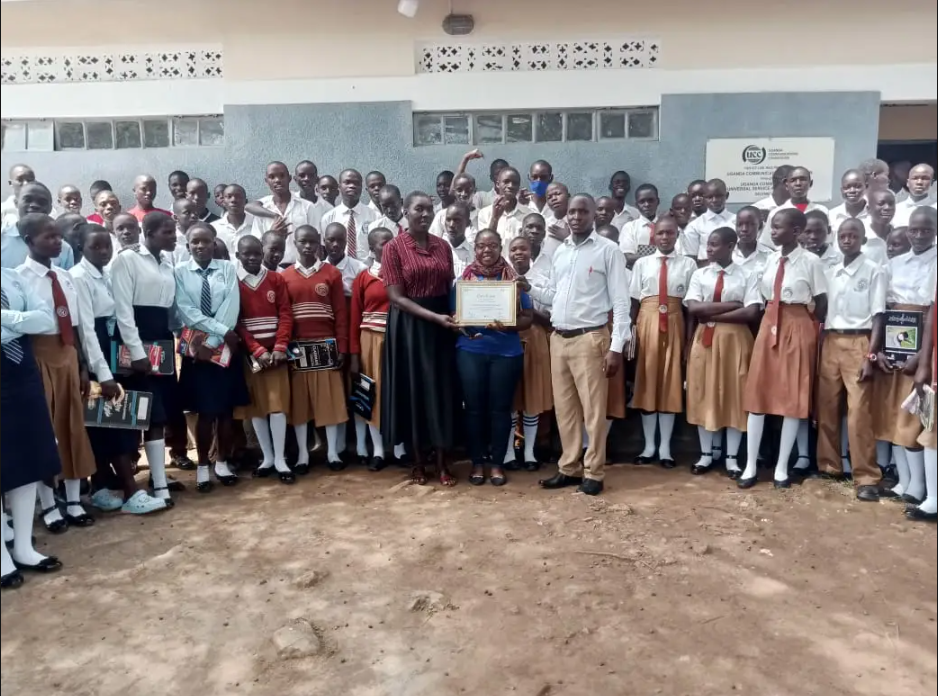
Kalaki District, Lango Sub-Region — February 27, 2026
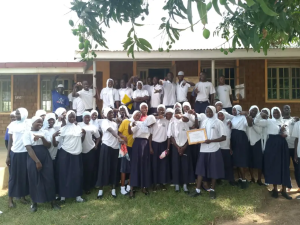
Students at Otuboi Comprehensive Secondary School in Kalaki District have officially joined Uganda’s expanding network of young digital innovators following the successful launch and training of the school’s ICT Club. The initiative was facilitated by Kisubi Associated Writers Agency (KAWA) in partnership with the Uganda Communications Commission (UCC) under the Uganda Communications Universal Service and Access Fund (UCUSAF).
The programme is part of a national initiative aimed at strengthening digital literacy, innovation, and responsible technology use among secondary school learners across Uganda.
A Strategic Learning Institution in Kalaki District
Otuboi Comprehensive Secondary School is located in Otuboi Sub-County along the Soroti–Dokolo Road in Kalaki District, within the Lango Sub-Region of Northern Uganda. The school is situated approximately 360 kilometres north of Kampala, Uganda’s capital city, and about 10 kilometres from Kalaki Town, the district’s administrative headquarters.
Serving learners from Otuboi and surrounding rural communities, the school plays an important role in providing access to secondary education and leadership development. The establishment of the ICT Club now provides a platform for students to explore technology, innovation, coding, and digital problem-solving skills.
The launch and training session were facilitated by Kyasima Freedom, working closely with the school leadership headed by Mr. Ssenambi Muhammed, the headteacher. The ICT Club activities are coordinated by Ms. Peru Hellen Ameno, the ICT Club patron.
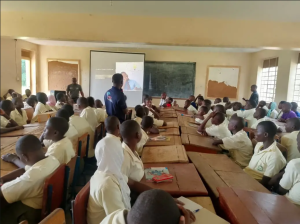
A total of 152 students participated in the orientation and training session, demonstrating strong interest in digital learning opportunities.
Students Express Strong Interest in Digital Skills
Before the training session began, learners were invited to share their expectations from the ICT Club.
Many students expressed interest in improving their computer skills and learning how to use digital tools effectively. Others hoped to gain knowledge about coding, website creation, and mobile applications, while exploring how technology can be used to solve problems in their communities.
Some learners also indicated that participation in the ICT Club would help them develop teamwork, creativity, leadership, and confidence, which are essential skills for future careers in a technology-driven world.
Encouraging Innovation and Responsible Technology Use
During the orientation session, facilitators emphasized that ICT Clubs aim to nurture innovative thinkers and responsible digital citizens.
Students were encouraged to see ICT not only as a communication tool but also as a powerful platform for developing creative solutions to community challenges.
Through the ICT Club, learners will also take part in managing and protecting ICT resources within the school, strengthening student ownership and responsibility.
Interactive Digital Skills Training
The training session included presentations, demonstrations, and discussions on several important areas of digital learning, including:
- The role of ICT in modern education
- Introduction to coding and digital innovation
- Responsible and ethical use of technology
- Collaboration and teamwork in innovation projects
Through these activities, learners gained insights into how digital skills can contribute to sectors such as education, agriculture, entrepreneurship, and community development.
Students were also introduced to opportunities for digital mentorship, innovation programmes, and ICT competitions that support young innovators across Uganda.
Official Establishment of the ICT Club
During the visit, the ICT Club at Otuboi Comprehensive Secondary School was formally established.
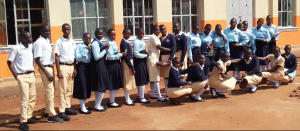
Student leaders were selected to coordinate club activities, mobilise members, and guide innovation projects within the school. These leaders will help organise meetings, encourage participation, and promote digital learning among fellow students.
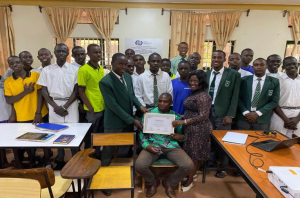
The school also received the ICT Club Handbook and a sample ICT Club Constitution, which will guide the organisation and management of the club throughout the year.
Preparing Students for NCC Innovation Opportunities
Students were informed about opportunities to participate in national ICT innovation platforms such as the National Conference on Communications (NCC).
Learners were encouraged to begin developing innovative ICT project ideas that could represent their school in future competitions and exhibitions. This inspired many students to think creatively about how technology can address challenges within their communities.
Engagement with School Leadership
During the visit, the KAWA team also held discussions with the headteacher, ICT Club patron, and teachers to strengthen institutional support for the programme.
The discussions emphasized the importance of regular ICT Club meetings, teacher mentorship, and strong administrative support in ensuring the sustainability of the initiative.
Key Challenges Affecting ICT Learning
Despite the successful launch, several challenges affecting ICT learning at the school were identified.
Limited Number of Computers
Although the school has ICT facilities, the number of computers available is insufficient to serve the large number of students interested in ICT activities.
Breakdown of Some Computers
Some computers are currently not functioning due to system breakdown, reducing the number of machines available for practical learning.
This limits opportunities for students to practise digital skills and gain hands-on experience with technology.
Recommendations for Strengthening ICT Education
To improve ICT learning opportunities at the school, several recommendations were proposed.
Repair of the N-Computing System
The school should prioritise repairing the N-Computing system so that the computers currently not functioning can be restored and used again.
Replacement of Faulty Terminals
Some terminals should be replaced or repaired to increase the number of learners who can access computers during training.
Increase the Number of Computers
Although the school has adequate space for ICT learning, more computers are required to accommodate the growing interest in ICT among students.
Regular Maintenance of ICT Equipment
The school should establish a routine maintenance programme to ensure that ICT equipment remains functional.
Continuous ICT Mentorship
Ongoing mentorship and technical support from KAWA in partnership with UCC will help strengthen ICT learning and support students in developing innovation projects.
Building the Next Generation of Innovators
The launch of the ICT Club at Otuboi Comprehensive Secondary School marks an important milestone in strengthening digital education and innovation in Kalaki District.
The enthusiasm demonstrated by students and teachers highlights the strong potential of the ICT Club to grow into a hub for digital learning, creativity, and innovation in the Lango Sub-Region.
With continued support from KAWA and the Uganda Communications Commission, the initiative is expected to nurture young innovators and future technology leaders in Northern Uganda.