Agwata Secondary School Launches ICT Club to Empower Young Innovators in Dokolo District

Dokolo District, Lango Sub-Region — March 3, 2026
A new chapter in digital education has begun at Agwata Secondary School in Dokolo District, following the successful launch and training of the school’s ICT Club. The initiative was implemented by KAWA CONNECT (Kisubi Associated Writers Agency) in collaboration with the Uganda Communications Commission (UCC) through the Uganda Communications Universal Service and Access Fund (UCUSAF).
The programme is part of a national effort aimed at equipping learners with practical digital skills, innovation capacity, and technological awareness, enabling young people across Uganda to participate actively in the digital economy.
A Rural School Embracing the Digital Future
Agwata Secondary School is located in Agwata trading centre within Amuda Parish in Dokolo District, in the Lango Sub-Region of Northern Uganda. The school sits approximately 335 kilometres north of Kampala, Uganda’s capital city, and about 18 kilometres from Dokolo Town, the district’s main administrative hub.
The institution serves a large number of learners from surrounding rural communities where access to advanced digital learning opportunities has historically been limited. The establishment of the ICT Club therefore represents an important step toward bridging the digital skills gap and exposing students to modern technology and innovation practices.
The ICT Club launch was facilitated by Kyasima Freedom, with support from the school administration led by Headteacher Mr. Acon John Bosco. The ICT Club is coordinated at the school by Mr. Jimmy Okello, the ICT teacher and club patron who will guide learners in digital skills development and innovation activities.
A remarkable 175 students participated in the launch and training session, demonstrating strong enthusiasm and curiosity about technology and digital learning.
Inspiring Students to Think Beyond the Classroom
During the orientation session, learners were invited to share their expectations about joining the ICT Club. Many students expressed excitement about learning practical computer skills beyond what is normally taught in class, including how to maintain ICT equipment, use the internet effectively, and explore coding and digital innovation.
Others were eager to develop teamwork, leadership, and creative problem-solving abilities, particularly through technology projects that could help address real challenges in their communities.
Facilitators emphasized that ICT Clubs are designed not just for computer training, but also to encourage students to use technology as a tool for innovation, entrepreneurship, and community transformation.
Building Student Ownership of ICT Infrastructure
A key message delivered during the training was the importance of student responsibility in maintaining and protecting ICT resources within the school.
ICT Club members were encouraged to take pride in the school’s digital infrastructure by assisting with basic computer maintenance, responsible use of equipment, and promoting good digital practices among fellow learners.
This approach helps ensure that ICT facilities remain functional while empowering students to develop technical confidence and leadership skills.
Interactive Digital Skills Training
The training session included a combination of presentations, demonstrations, practical discussions, and interactive exercises designed to introduce students to core digital skills.
Students were introduced to important topics such as:
- ICT laboratory management and sustainability
- Basic computer troubleshooting and maintenance
- Internet safety and cybersecurity awareness
- Introduction to coding and digital innovation
- Understanding emerging technologies such as Artificial Intelligence
Learners were also introduced to the ICT Clubs national learning platform — www.ictclubs.ug, where they can access tutorials, innovation resources, and digital learning materials to support their continued development.
Launch Message from Uganda Communications Commission
The official launch of the ICT Club included a recorded message from Mr. Nyombi Thembo, Executive Director of the Uganda Communications Commission.
In his address, he encouraged students to embrace technology responsibly and to view digital skills as a powerful tool for shaping their future and contributing to national development.
He reminded learners that ICT Clubs form part of a nationwide programme designed to nurture the next generation of Ugandan innovators and technology leaders.
Establishing ICT Club Leadership
During the visit, KAWA CONNECT worked closely with the school administration to formally establish the ICT Club structure and guide students in selecting student leaders who will coordinate club activities.
The students were trained on leadership responsibilities, teamwork, accountability, and effective organisation of club programmes.
To support proper governance of the club, the school also received a standard ICT Club constitution template as well as the ICT Club Handbook, which outlines best practices for running club activities, managing innovation projects, and sustaining digital learning programmes.
Preparing Students for National ICT Competitions
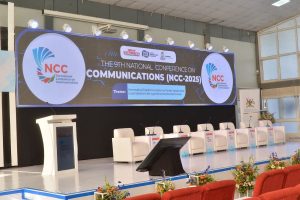
Learners were informed that ICT Clubs across Uganda are preparing students to participate in the Annual National Conference on Communications (ANCC) 2026, where schools will present innovative ICT projects developed by students.
This announcement motivated learners to begin thinking about technology solutions that could address real problems within their communities, while strengthening creativity and collaboration within the club.
Strengthening Institutional Support
Beyond the training of learners, KAWA CONNECT also engaged with the school leadership, teachers, and ICT Club patron to strengthen institutional support for the initiative.
The discussions emphasized the need for regular club meetings, strong mentorship from teachers, and continuous encouragement of students to explore digital innovation.
This collaboration between students, teachers, and the administration is essential for ensuring that the ICT Club remains active and impactful.
Key Challenges Identified
While the launch was highly successful, several challenges were identified that could affect the growth of the ICT Club.
These include limited ICT infrastructure, unreliable power supply, limited time for club activities, and varying levels of digital literacy among learners.
Additionally, some NITA-U laptops at the school have faulty keyboards, and the current location of the solar battery and internet access point needs to be relocated closer to the ICT laboratory to improve accessibility.
Teachers also noted that staff members currently cannot access the internet from the staffroom, which limits broader integration of ICT in teaching and learning.
Recommendations for Strengthening the ICT Programme
To support the sustainability of the ICT Club, several recommendations were proposed.
The school was encouraged to allocate regular time for ICT Club activities, strengthen administrative support, and continue working closely with the national ICT Clubs programme and UCC for mentorship and follow-up training.
Improving ICT infrastructure, repairing faulty equipment, and relocating key digital resources will help the school build a fully functional centre for digital learning and innovation.
A Bright Future for Young Innovators
The launch of the ICT Club at Agwata Secondary School marks a major step toward empowering young people with the skills, confidence, and creativity needed to succeed in a rapidly evolving digital world.
With the strong interest demonstrated by students and the commitment of school leadership, the ICT Club has the potential to become a vibrant hub for digital learning, innovation, and community problem-solving in Dokolo District.
KAWA CONNECT expressed gratitude to the Uganda Communications Commission (UCC) and UCUSAF for their continued support in expanding digital learning opportunities across Uganda’s secondary schools.