Ogor Seed Secondary School Launches ICT Club to Spark Digital Innovation in Otuke District

Otuke District, Lango Sub-Region — March 3, 2026
A new wave of digital transformation is beginning to take root at Ogor Seed Secondary School in Otuke District following the successful launch and training of the school’s ICT Club. The initiative was facilitated by KAWA CONNECT (Kisubi Associated Writers Agency) in partnership with the Uganda Communications Commission (UCC) through the Uganda Communications Universal Service and Access Fund (UCUSAF).
The programme aims to empower learners with digital literacy, practical ICT skills, and innovation capacity, enabling young people to explore technology as a tool for solving real-world challenges within their communities.
A Rural School Stepping into the Digital Era
Ogor Seed Secondary School is located in Ogor Sub-county in Otuke District, within the Lango Sub-Region of Northern Uganda. The school lies approximately 360 kilometres north of Kampala, Uganda’s capital city, and about 28 kilometres from Otuke Town, the district’s administrative and commercial centre.
Situated in a rural setting, the school serves learners from surrounding villages where access to advanced digital learning resources remains limited. The introduction of the ICT Club therefore represents an important step toward expanding digital education opportunities and nurturing innovation among students in rural communities.
The launch and training session was facilitated by Kyasima Freedom, working closely with the school leadership led by Headteacher Mr. Adupa Richard. The ICT Club is coordinated at the school by Mr. Opio Ismail, the ICT teacher and club patron responsible for guiding learners in technology and innovation activities.
A total of 38 students participated in the initial training session, showing enthusiasm for learning how technology can support education, creativity, and community development.
Students Eager to Explore the World of Technology
Before the training activities began, learners were invited to share their expectations about joining the ICT Club.
Many students expressed interest in acquiring practical computer knowledge, learning coding and digital creation, and understanding how the internet can support research and learning. Others hoped the club would help them build teamwork, creativity, and innovation skills while preparing them for future careers in technology.
These aspirations reflect a growing interest among young people in digital opportunities and emerging technology fields.
Purpose of the ICT Club
During the orientation session, facilitators explained that the ICT Club aims to:
- Strengthen learners’ digital knowledge and practical ICT skills
- Promote student leadership and responsibility in managing ICT activities at school
- Encourage creativity and innovation through technology-based problem solving
- Inspire learners to identify challenges in their communities and develop digital solutions
Through the club, students will gain exposure to technology beyond the classroom and learn how ICT can be applied in fields such as education, agriculture, health, environmental protection, and entrepreneurship.
Interactive Learning and Digital Skills Training
The training session involved a variety of interactive learning approaches, including presentations, guided discussions, and practical demonstrations.
Students were introduced to important digital concepts such as:
- The role and benefits of ICT clubs in schools
- Digital literacy and its importance in modern education
- Basic coding and programming ideas
- Innovation and teamwork in technology projects
- Responsible and safe use of digital tools
Facilitators also demonstrated how digital skills can be used to design websites, mobile applications, and simple digital tools that address real community challenges.
These sessions helped students begin to see technology as a creative platform for learning, innovation, and social impact.
Establishing ICT Club Leadership and Structure
As part of the launch process, KAWA CONNECT worked with the school administration to establish a structured ICT Club leadership system.
Student leaders were selected to coordinate activities and encourage participation among their peers. The learners were also guided on the importance of teamwork, accountability, and organization in sustaining the club.
To support effective management of the club, the school received the ICT Club Handbook and a sample ICT Club Constitution, which will guide leadership roles, club activities, and innovation programmes throughout the year.
Preparing Students for National Innovation Opportunities
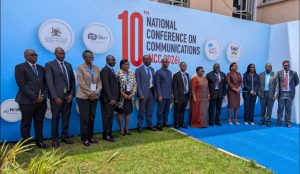
During the orientation, students were also introduced to future opportunities to participate in national ICT innovation competitions, including platforms such as the Annual National Conference on Communications (ANCC).
Learners were encouraged to begin thinking creatively about technology-based solutions that could address challenges within their communities, laying the groundwork for future student-led innovation projects.
Strengthening Collaboration with School Leadership
The KAWA CONNECT team held discussions with the headteacher, ICT club patron, and teaching staff to ensure strong institutional support for the initiative.
The discussions highlighted the importance of:
- Regular ICT Club meetings
- Continuous teacher mentorship
- Encouraging learners to participate actively in technology and innovation activities
Such collaboration between school leadership and students is essential in ensuring that the ICT Club remains active, sustainable, and impactful.
Challenges Identified During the Visit
Although the launch was successful, several challenges affecting ICT learning at the school were identified.
Unstable Electricity Supply
Frequent power interruptions in the area make it difficult to use computers consistently during training and club activities.
Weak Mobile Network Coverage
The school is located deep in a rural village where mobile network signals are weak, limiting communication and internet access.
Lack of Network Booster
Without a network booster, internet connectivity remains unreliable, preventing students from easily accessing online learning platforms and digital resources.
Limited Access to Online Learning Materials
Due to the unstable network and limited connectivity, students struggle to access tutorials, innovation materials, and other digital learning resources.
Recommendations for Strengthening ICT Learning
To address these challenges and strengthen ICT learning at the school, several recommendations were made.
The school was encouraged to explore alternative power solutions such as solar energy systems or backup batteries to ensure consistent access to electricity for ICT equipment.
Installing a network booster would significantly improve signal strength and enable better internet access for both students and teachers.
In addition, introducing offline digital learning systems such as KAWA CONNECT would allow learners to access educational resources even without reliable internet connectivity.
Continued mentorship and follow-up training from KAWA CONNECT and the Uganda Communications Commission will also help students develop ICT projects and strengthen their digital skills.
A Promising Future for Young Innovators
Despite the challenges, the launch of the ICT Club at Ogor Seed Secondary School marked a powerful step toward building a culture of digital learning, creativity, and innovation among students.
The enthusiasm shown by learners and teachers demonstrated the school’s readiness to embrace technology and explore new opportunities in the digital world.
With continued support from KAWA CONNECT and the Uganda Communications Commission, the ICT Club is expected to grow into a vibrant platform for nurturing young innovators and technology leaders in Otuke District and the wider Lango Sub-Region.