Computer and digital foundations
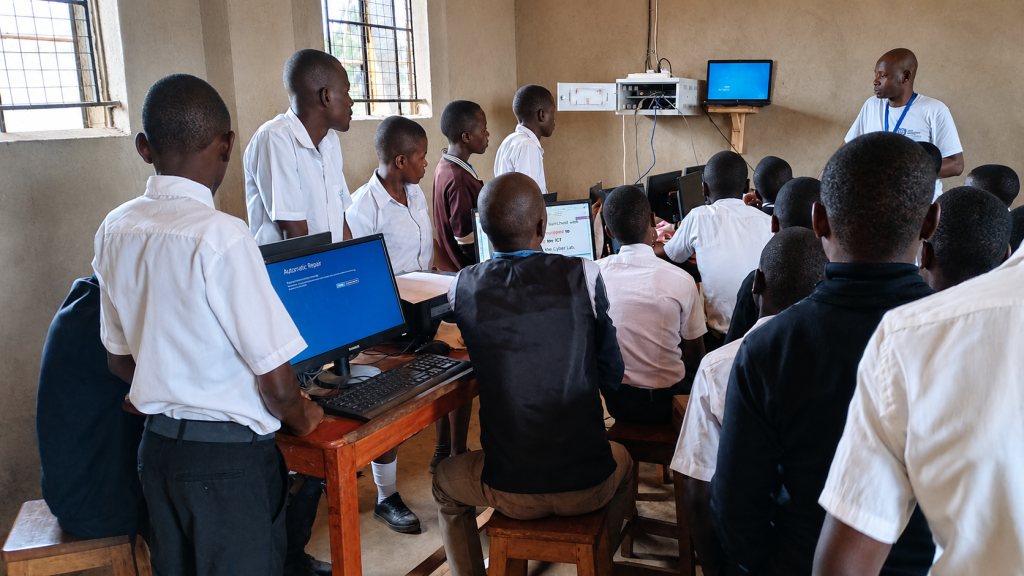
Members practise typing, file organisation, documents, presentations, spreadsheets, email, research and collaborative work.
Web Design
Learners create structured, accessible and useful websites for school information, educational content, projects and community communication.
Coding and Programming
Members explore block-based coding, HTML, CSS, JavaScript, Python, mobile applications and other age-appropriate technologies.
Digital Media
Learners gain experience in photography, audio, video, graphic design, animation, presentations and digital storytelling.
Artificial Intelligence
Members learn what AI can and cannot do, how to prompt responsibly, verify output, protect privacy and acknowledge meaningful assistance.
Cybersecurity and Online Safety
Clubs promote password safety, privacy, scam awareness, misinformation verification, respectful communication and responsible social-media use.
Digital Entrepreneurship
Learners explore user needs, ethical digital services, branding, budgeting, portfolios, marketing and business opportunities.
Computer Laboratory Sustainability
Members support safe awareness, workstation organisation, cleanliness, correct shutdown and visible fault reporting under proper supervision.
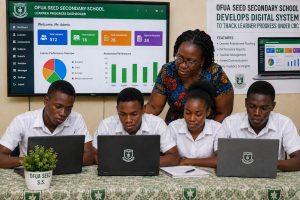
The Learner Innovation Pathway
Observe a challenge affecting the school or community.
Define who experiences the problem and why it matters.
Research users, causes and existing solutions.
Imagine several possible responses.
Select a realistic, safe and useful approach.
Plan the team, tools, activities, budget and timeline.
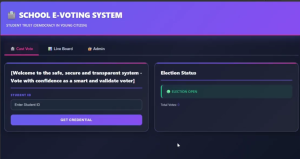
Design the user experience, structure or technical system.
Build the first prototype.
Test the solution with intended users.
Record feedback and identify weaknesses.
Improve the project according to evidence.
Present the problem, solution, learner contribution, results, limitations and next step.
Continue through further testing, school implementation, mentorship, competition or incubation.
Patrons in Action
ICT Club patrons are central to programme success. They connect learner leadership, school management, computer laboratories, project activities and KAWA support.
Patron development covers club leadership, safeguarding, meeting management, activity planning, project mentorship, digital safety, computer laboratory sustainability, documentation, competitions and leadership succession.
Patron follow-up examines what happened after training. A credible story connects the patron’s workshop commitment, school adoption, active club routines, project and laboratory evidence, and the support needed next.