Lwala Girls Secondary School Begins Rebuilding Its Digital Future Through ICT Club Launch
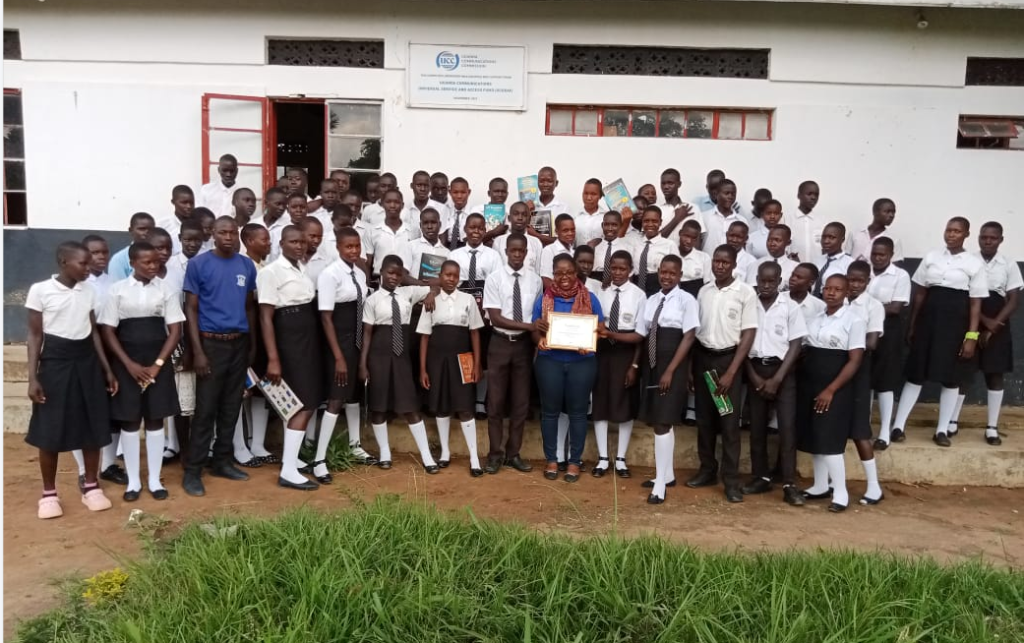
Lwala Girls Secondary School in Kalaki District has taken an important step towards rebuilding digital learning opportunities for its students through the official launch and training of its ICT Club.
The activity took place on 27th February 2026 at the school in Kalaki Sub-county and was facilitated by Kyasima Freedom on behalf of KAWA. The launch was conducted under the ICT Clubs initiative supported by the Uganda Communications Commission (UCC) and UCUSAF.
The visit aimed at officially launching the ICT Club, introducing learners and school leaders to the importance of digital skills, innovation, and responsible use of technology. It also focused on helping students understand how ICT can support learning, creativity, problem-solving, and future career preparation.
The school leadership, led by Headteacher Mr Eceru Joseph, together with ICT Club Patron Mr Kapsikora Bismark, welcomed the initiative and engaged with the KAWA team on how the club can support learners despite the ICT challenges currently faced by the school.
Before the training began, learners were invited to share their expectations. Many students expressed interest in learning how to use computers more effectively, gaining exposure to coding, and understanding how digital tools can be used to solve problems in their communities. Others hoped the club would help them improve creativity, teamwork, innovation skills, and readiness for future careers in technology and other digital fields.
During the orientation, learners were guided to understand that the ICT Club is not only about computer use. It is a platform for leadership, teamwork, creativity, responsibility, and innovation. The club is expected to help learners build practical ICT skills, manage digital resources responsibly, and develop ideas that respond to real challenges in their school and community.
KAWA used presentations, guided discussions, demonstrations, and practical examples to help learners understand the value of ICT Clubs in education, innovation, and community development. The session also introduced learners to digital learning opportunities, mentorship pathways, and future innovation projects.
The ICT Club at Lwala Girls Secondary School was formally launched as part of the wider national effort to promote digital skills and innovation among students across Uganda. The launch created a platform for learners interested in technology to come together, learn new skills, and begin developing ideas that can benefit their school and surrounding community.
During the visit, KAWA worked with the school administration and teachers to establish the ICT Club leadership structure. Student leaders were selected to coordinate club activities, mobilise members, and support the organisation of ICT-related programmes. Learners were guided on the importance of accountability, teamwork, and commitment in keeping the club active and useful.
To support effective club management, the ICT Club Handbook and ICT Club Constitution sample were shared with the school. These materials will guide the patron, teachers, and student leaders in organising club activities, clarifying leadership roles, and supporting learner participation in innovation and digital skills development.
The training introduced learners to key digital concepts, including the importance of ICT in education, basic coding ideas, responsible use of digital technologies, teamwork in innovation, and the use of technology for solving community problems. Students were encouraged to begin thinking about how digital tools can support practical solutions in areas such as education, health, agriculture, communication, and environmental protection.
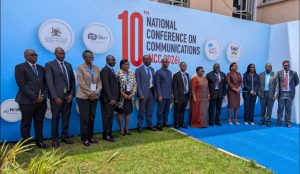
Learners were also informed about future opportunities to participate in national ICT innovation events such as the National Conference on Communications, NCC. This encouraged students to take ICT Club activities seriously and begin thinking about project ideas that could represent their school in future competitions and innovation platforms.
A major concern identified during the visit was the lack of computers. The school previously had computers, but they were stolen, leaving learners with very limited access to practical ICT training. This has affected the ability of students to practise computer skills, explore coding, and develop digital projects.
The school also lacks internet connectivity, which limits access to online learning materials, tutorials, research resources, and innovation platforms. Without reliable internet access, learners face difficulty developing advanced digital skills or using online tools that are important for modern ICT learning.
Another challenge noted was limited exposure to advanced ICT skills. Because of the absence of computers and internet services, students are unable to practise areas such as coding, digital research, application development, and online collaboration. The school also noted a change in its structure, having originally been established as a girls’ school but recently becoming mixed due to a decline in the number of female students enrolled.
To strengthen ICT learning, the school needs support in acquiring computers and other ICT equipment so that learners can practise digital skills effectively. Establishing internet connectivity will also help students access online learning materials, research resources, and digital innovation platforms.
The school is further encouraged to strengthen security measures to protect ICT equipment in future. This will be important in ensuring that any new devices provided to the school are safeguarded and used sustainably for learning.
Continuous follow-up training and mentorship from KAWA, UCC, and UCUSAF will also be important in helping learners build confidence, develop ICT projects, and sustain active club participation throughout the year.
Despite the challenges identified, the launch and training at Lwala Girls Secondary School was successful and generated strong interest among learners. Students and the ICT Club Patron appreciated the initiative and described the training as informative and motivating.
The ICT Club Patron committed to supporting the club leadership and encouraging learners to actively participate in ICT activities. With improved infrastructure, access to computers, internet connectivity, and continued mentorship, the ICT Club has great potential to become a strong platform for creativity, innovation, and future-ready learning.
The launch at Lwala Girls Secondary School marked a hopeful beginning. It showed that even where ICT resources are limited, learners can still be inspired to think creatively, work together, and prepare for a future where digital skills will be essential.
KAWA sincerely appreciates UCC and UCUSAF for their continued support towards the establishment and training of ICT Clubs in schools across Uganda.