UCC, UCUSAF, Makerere University CEDAT and KAWA celebrate a landmark national showcase of student innovation after 72 secondary schools compete across six regional sessions
Kampala, Uganda — 30 July 2026
Uganda’s drive to nurture the next generation of innovators, software developers, engineers, researchers, designers and technology entrepreneurs has reached another important milestone following the successful completion of the NCC 2026 Regional Schools ICT Clubs Project Competitions.
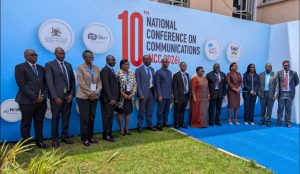
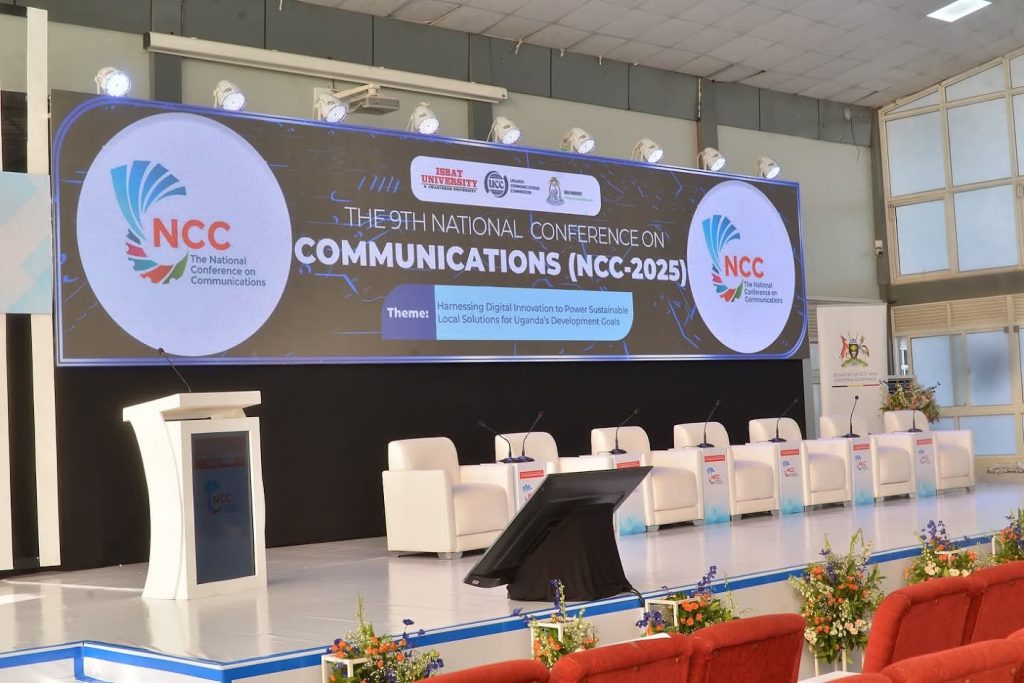
The competitions form part of the 10th National Conference on Communications — NCC 2026, organised by the College of Engineering, Design, Art and Technology at Makerere University, in collaboration with the Uganda Communications Commission.
The regional competitions were conducted virtually through Zoom from 22 to 24 July 2026, bringing together talented secondary-school learners from different parts of Uganda.
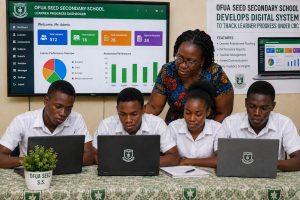
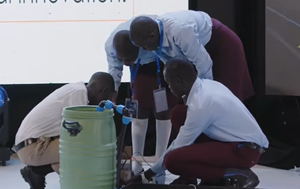
A total of 72 secondary schools competed in six regional sessions, with projects evaluated by a distinguished panel of judges drawn from government, academia and industry. The projects demonstrated the growing ability of Ugandan learners to identify real challenges, conduct research, develop practical solutions, work in teams and communicate their innovations confidently.
Schools Advancing to the National Finals
| Region | School | Recognition |
|---|---|---|
| Central A – Kampala and Wakiso | Trinity College Nabbingo | Regional Winner |
| Central B | St. Maria Goretti Secondary School, Katende | Regional Winner |
| Eastern and Karamoja | Mbale Secondary School | Regional Winner |
| South-Western | Mbarara High School | Regional Winner |
| Mid-Western | St. Leo’s College | Regional Winner |
| Northern and West Nile | Maruzi Secondary School | Regional Winner |
| Karamoja | Kangole Girls Secondary School | Judges’ Special Inclusion |
| Karamoja | St. Andrews Secondary School, Lotome | Judges’ Special Inclusion |
The six regional winners, together with the two schools selected under the Judges’ Special Inclusion category, will proceed to the NCC 2026 National Schools ICT Clubs Project Competitions.
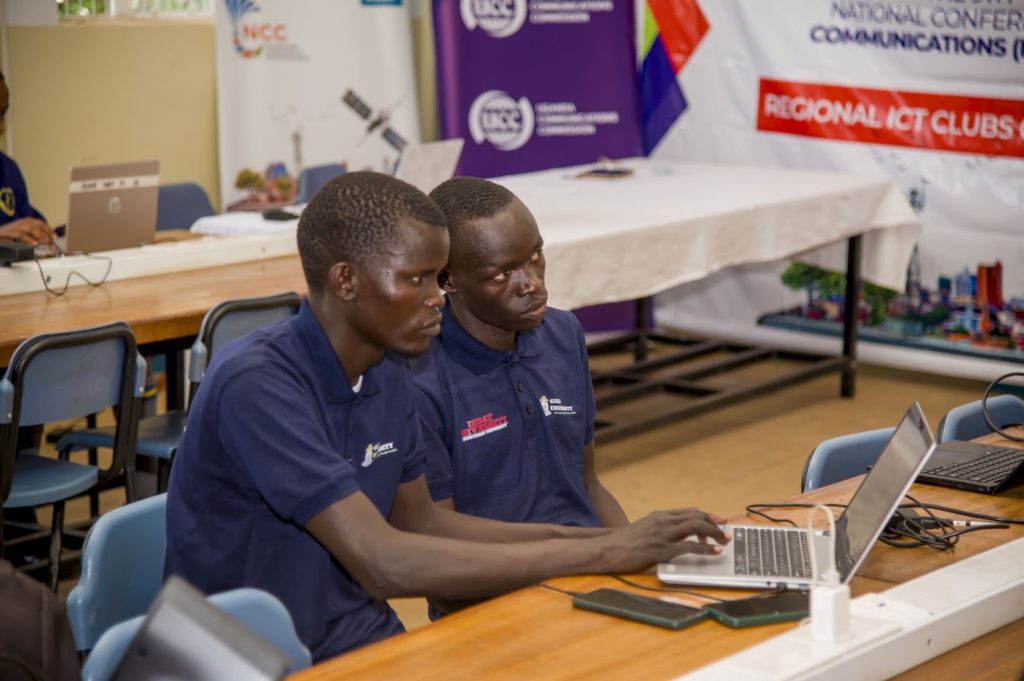
From Participation to the National Stage: St. Andrews Secondary School, Lotome
Last year, St. Andrews Secondary School, Lotome, proudly represented the Karamoja Region in the NCC School ICT Clubs Competitions. Although the school did not reach the national finals, the experience exposed the learners to innovation, teamwork, project development and public presentation.
Instead of giving up, the learners returned to school more determined. With guidance from their ICT Club patron, they reviewed the judges’ feedback, strengthened their skills and improved the way they researched, developed and presented their ideas.
This year, their commitment and remarkable progress impressed the judges, earning St. Andrews Secondary School, Lotome, the Judges’ Special Inclusion and a well-deserved place at the NCC National Competitions.
Their journey demonstrates that success is not always achieved on the first attempt. Through persistence, mentorship and teamwork, the school has risen from regional participation to the national stage—bringing pride and inspiration to the entire Karamoja Region.
Other Outstanding Regional Performers
The following schools attained second position in their respective regions:
St. Mary’s College Kisubi, St. Henry’s Kitovu, Muljibhai Madhvani College Wairaka, St. Joseph’s Vocational School, Nakivale Secondary School and Lira Town College.
Third position was attained by:
Mt. St. Mary’s College Namagunga, Bombo Army Secondary School, Bukedea Comprehensive School, Ntare School, Kisita Seed Secondary School and Aduku Secondary School.
These schools will receive special certificates in recognition of their excellent performance, commitment and contribution to the competitions.
Special Appreciation to UCC and UCUSAF
KAWA extends its profound gratitude to the Uganda Communications Commission, the Uganda Communications Universal Service and Access Fund, and the Directorate of ICT and Research for their leadership, investment and continued commitment to promoting digital skills, school innovation and meaningful participation in Uganda’s digital transformation.
Special appreciation goes to:
- Hon. George William Nyombi Thembo, Executive Director, Uganda Communications Commission;
- Ms. Christine Mugimba, Director of ICT and Research; and
- Mr. James Beronda, Director, UCUSAF.
Their strategic leadership has continued to create opportunities for secondary-school learners to move beyond the classroom and apply technology to real school, community and national challenges.
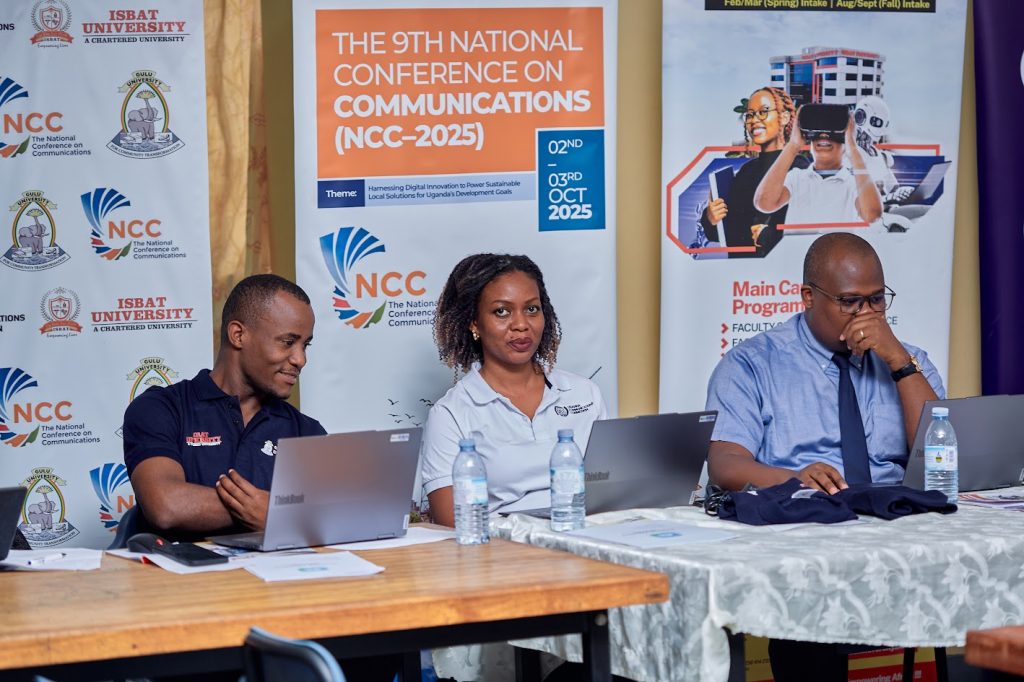
KAWA is equally grateful for the guidance, coordination and support received from Rebecca Mayanja, Winnie Mukholi, Carolyn Vunia and Robert Mbasa, together with the wider UCC team.
Special recognition is also extended to the UCC Regional Managers and their teams in Mbale, Mbarara, Gulu, Masindi and the Central Region. Their engagement with participating schools strengthened communication, encouraged school leadership and helped ensure that learners and ICT Club patrons were supported throughout the programme.
Makerere University CEDAT Provides Academic and Technical Leadership
The contribution of the staff of the Makerere University College of Engineering, Design, Art and Technology has been central to the successful organisation of the competition.
CEDAT has provided academic leadership, competition coordination, technical guidance, judging expertise and mentorship to participating school teams. Its involvement has helped bridge the gap between secondary-school innovation and university-level engineering, research, design and technology.
The partnership gives learners an opportunity to interact with experienced academics, engineers and mentors while gaining an early understanding of research, innovation, product development and professional presentation.
The overall conference is chaired by Dr. Abubaker Matovu Waswa, General Chair of NCC 2026 and Head of Makerere University’s Department of Electrical and Computer Engineering.
The School ICT Clubs component is chaired by Mr. Frank Ssemakula, Chair of the School ICT Clubs Sub-Committee, whose coordination has been instrumental in linking the schools’ competition to the wider National Conference on Communications.
Recognising KAWA’s Role in Mobilising and Preparing Schools
KAWA has played an important role in the national mobilisation, coordination and preparation of schools participating in the ICT Clubs Project Competitions.
Working closely with UCC, UCUSAF, Makerere University CEDAT, school administrators and ICT Club patrons, KAWA has supported schools through:
- mobilising participating secondary schools;
- communicating with headteachers and ICT Club patrons;
- orienting and training participating schools;
- encouraging learners to identify genuine school and community challenges;
- guiding teams in project planning and documentation;
- preparing learners to present and defend their innovations;
- coordinating schools during regional competition sessions; and
- connecting school teams with CEDAT mentors for technical guidance.
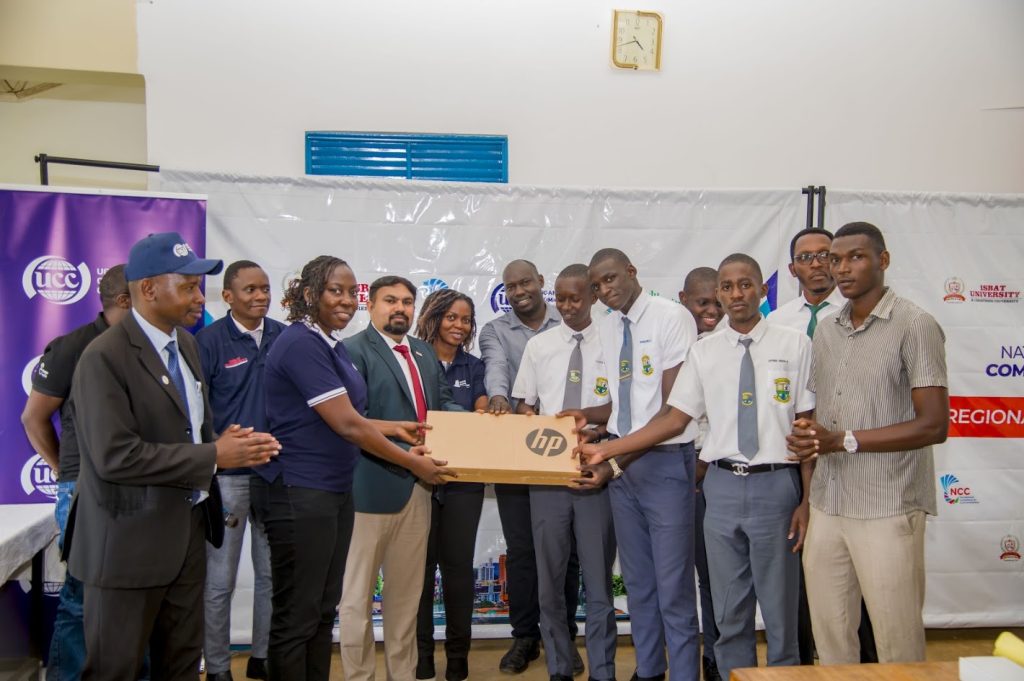
This collaboration has helped ensure that the competition is not merely about displaying finished projects. It is also a structured learning process through which learners develop research skills, teamwork, confidence, creativity, communication ability and practical problem-solving skills.
KAWA particularly recognises the dedication of the ICT Club patrons, headteachers, school administrators, teachers, parents and mentors who have given their time to guide the learners. Their support has enabled young innovators to turn simple ideas into projects that can be demonstrated, tested and improved.
More Than a Competition
The Schools ICT Clubs Project Competition represents much more than the selection of winners.
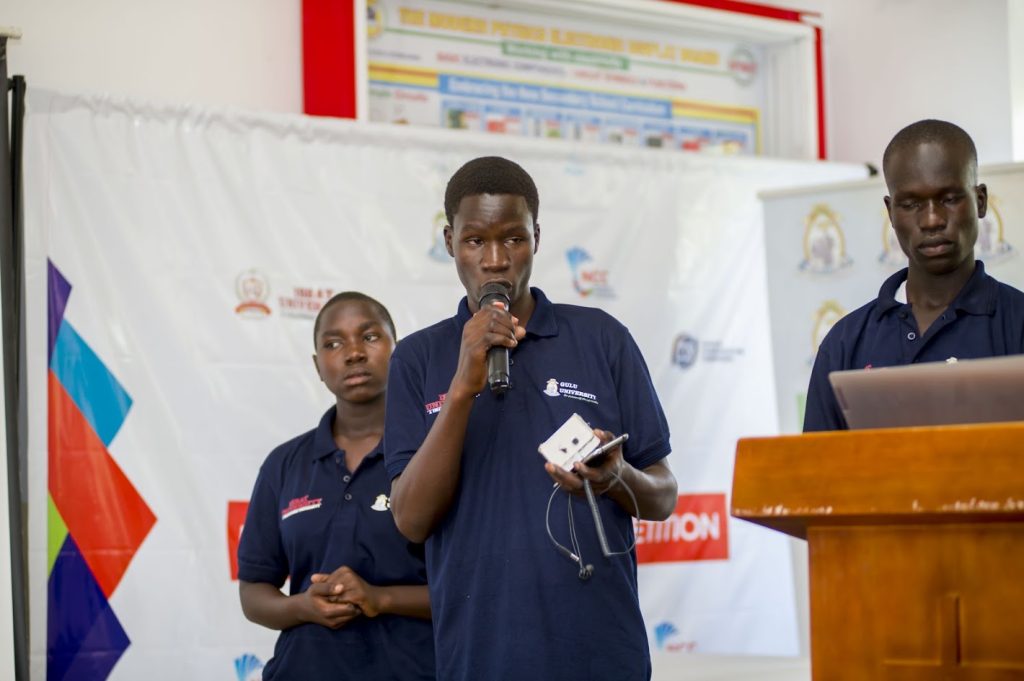
It provides a national platform through which learners can:
- investigate real problems affecting their schools and communities;
- design technology-based interventions;
- develop websites, mobile applications, digital platforms, robotics solutions and other prototypes;
- learn from feedback given by judges and mentors;
- improve their communication and presentation skills;
- appreciate the value of responsible technology use; and
- begin viewing themselves as innovators capable of contributing to Uganda’s development.
The participation of schools from different regions also demonstrates that innovation is not limited to major urban centres. With appropriate mentorship, training, access to technology and institutional support, learners from rural, peri-urban and urban schools can all develop solutions with national relevance.
National Finals Set for September at Makerere University
The NCC 2026 National Finals will take place on 24 and 25 September 2026 at Makerere University Main Campus as part of the 10th National Conference on Communications. Further information concerning the programme, travel arrangements, venue, prizes and requirements for participating teams will be communicated to the schools.
As the finalists prepare for Makerere University, they are expected to refine their prototypes, respond to judges’ feedback, strengthen their project documentation and prepare compelling demonstrations of the problems they are addressing and the impact of their proposed solutions.
Building Uganda’s Next Generation of Innovators
The success of the regional competitions illustrates what can be achieved when government institutions, universities, schools, teachers, mentors and implementation partners work together.
Through the support of UCC, UCUSAF, the Directorate of ICT and Research, Makerere University CEDAT, KAWA and participating schools, the ICT Clubs programme is creating an important national pathway through which young people can develop digital skills, confidence, creativity, entrepreneurship and an innovation mindset.
KAWA congratulates all the participating schools, learners, ICT Club patrons, mentors, regional winners and specially recognised teams.
The journey now moves from the regional competitions to the national stage, where Uganda’s young innovators will have another opportunity to demonstrate that the country’s classrooms are becoming powerful centres of creativity, research and technology-driven problem-solving.