Digital Skills for Every Learner: ICT Clubs Powering Uganda’s Digital Future
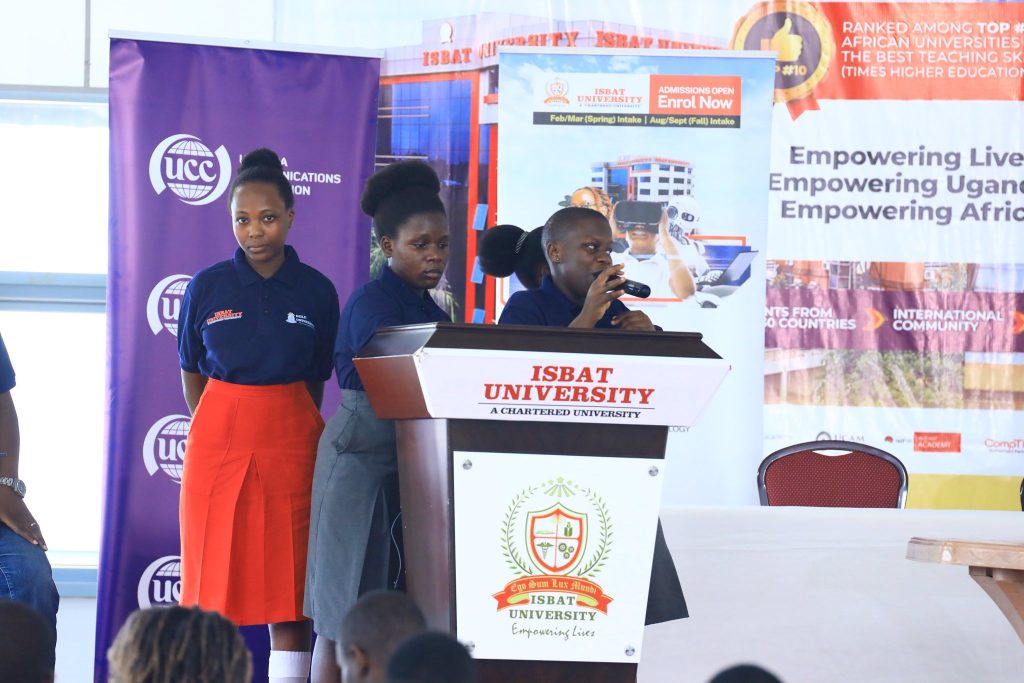
Across the country, the Government of Uganda continues to demonstrate commitment to digital transformation through policy, investment, partnerships, and school-based ICT initiatives. This commitment is strongly aligned with Uganda Vision 2040, the Fourth National Development Plan (NDP IV), and the national goal of using digital technologies to improve service delivery, productivity, employment, innovation, and inclusion.
At the school level, one of the most practical ways this vision is becoming real is through ICT Clubs.
ICT Clubs are more than co-curricular activities. They are platforms for digital empowerment. They help learners gain confidence, support teachers in using technology, assist parents and community members to acquire basic computer skills, and contribute to the sustainability of school ICT laboratories. This matters because not everyone in the school or community has the same level of access to technology or the same confidence in using it; some teachers may fear computers, some parents may struggle with email or digital documents, and some community members may have phones but not know how to use them productively.
A School-Based Contribution to Uganda’s Digital Agenda
The Government’s digital agenda is clear: digital transformation must serve people, institutions, businesses, and communities. NDP IV identifies digital transformation as a key programme and states that it aims to increase ICT penetration and usage of ICT services for efficiency gains and job creation.
NDP IV also sets out practical objectives for the Digital Transformation Programme, including increasing internet connectivity across the country, improving business and public service delivery, increasing uptake of digital products and services, strengthening cybersecurity and data protection, and improving enforcement of ICT-related policies and laws.
This is where ICT Clubs fit perfectly. They bring the national digital agenda into the daily life of schools. They help learners understand computers, use the internet responsibly, create digital content, support ICT lab maintenance, and build problem-solving skills. They also help make technology useful beyond the classroom.
Supporting Uganda Vision 2040 and NDP IV
Uganda Vision 2040 looks toward a country with strong, trusted, high-speed ICT infrastructure spread across the country. NDP IV directly connects digital transformation to that long-term national aspiration.
The Fourth National Development Plan, covering FY2025/26 to FY2029/30, is designed to accelerate Uganda’s socio-economic transformation, with the goal of achieving higher household incomes, full monetisation of the economy, and employment for sustainable socio-economic transformation.
ICT Clubs contribute to this ambition in a very practical way. A learner who learns to type, code, design, research online, create presentations, protect passwords, troubleshoot computers, or support a school database is not only gaining a school skill. That learner is preparing for the modern economy.
Recognising Government Leadership
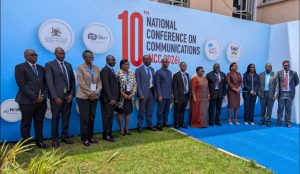
The growth of ICT Clubs is part of a bigger national effort. We recognise the leadership of the Ministry of ICT and National Guidance, including the important contribution of the Permanent Secretary, Dr. Aminah Zawedde, in championing Uganda’s digital transformation journey.
We also recognise the Uganda Communications Commission (UCC) for its continued work in expanding communications access, promoting digital inclusion, and supporting ICT use in education. UCC’s leadership team lists George William Nyombi Thembo as Executive Director, and James Beronda as Director UCUSAF.
Through the Uganda Communications Universal Service and Access Fund (UCUSAF), UCC has made a major contribution to digital inclusion. UCUSAF evolved from the Rural Communications Development Fund and now focuses on digital inclusivity through sustainable interventions and impactful collaborations.
UCUSAF and ICT in Education
The UCUSAF ICT in Education Programme is especially important for schools. It supports digital skills for learners, better teaching quality, learning engagement, creativity, innovation, inclusive learning, and empowerment of school-hosting communities.
Through UCUSAF, UCC has supported the installation of school ICT laboratories, digital science content in secondary schools, the creation of ICT Clubs, teacher ICT skilling, and e-learning platforms.
This is government work with visible results. UCC’s call for ICT Clubs noted that the Government, through the Ministry of Education and Sports, has been progressively expanding the education system to provide equitable access and quality education, while UCC supports education institutions to adopt and use ICT for better teaching and learning.
The same UCC/UCUSAF document states that more than 1,200 ICT computer laboratories had been established in secondary schools across all districts of Uganda. That is a strong foundation for ICT Clubs to grow and serve schools more effectively.
The Role of the Ministry of Education and Sports and Secondary Schools
The Ministry of Education and Sports remains central to this journey because schools are where young people prepare for the future. ICT Clubs help secondary schools turn ICT laboratories into active learning spaces, not locked rooms or underused facilities.
A strong ICT Club can support the school by helping maintain the computer lab, mentoring other learners, creating digital learning materials, supporting teachers, managing simple school databases, promoting online safety, and encouraging responsible use of technology.
The UCUSAF ICT Clubs initiative specifically aimed to establish ICT Clubs in secondary schools where UCC/UCUSAF had already provided ICT computer labs, with the goal of supporting lab sustainability, student ownership, ICT skills development, and direct engagement between learners and UCC/UCUSAF on ICT matters in their schools.
Bridging the Digital Divide
The digital divide is not only about who owns a computer. It is also about who has digital skills, who understands technology, who can use the internet safely, and who can benefit from digital opportunities.
That is why ICT Clubs must serve more than their members. A school ICT Club can become a centre of digital empowerment for teachers, parents, younger learners, and the wider community.
Basic computer skills may include switching a computer on and off properly, using a keyboard and mouse, typing, opening and saving files, using word processing tools, browsing the internet, using email, creating presentations, using spreadsheets, and practising safe online behaviour. These may look simple, but they are foundational skills that help people participate in the digital world.
ICT Clubs as Engines of Practical Learning
The best digital learning is hands-on. Learners should not only hear about email; they should create messages, attach files, and reply properly. They should not only hear about word processing; they should type, format, save, and reopen documents. Practical training builds confidence because digital skills are learned best by doing.
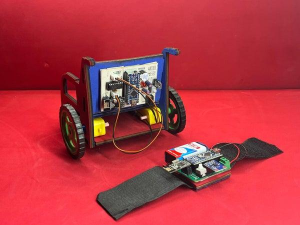
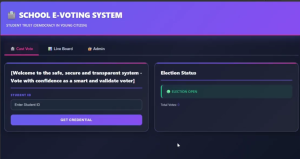
Through ICT Clubs, learners can go beyond theory and begin solving real problems. They can create websites, design posters, produce tutorial videos, build simple applications, support school communication, collect data, and help their communities use technology more safely and productively.
Recognising Partners and Higher Education Institutions
Government work becomes stronger when supported by committed partners. We recognise partners such as KAWA and the participating universities and tertiary institutions that support digital learning, mentorship, innovation, and capacity building.
NDP IV recognises key institutions that have been instrumental in training professionals for Uganda’s digital transformation agenda, including Uganda Institute of Information and Communications Technology, Makerere University, Uganda Management Institute, Mbarara University of Science and Technology, and Kampala International University.
These institutions are important because they connect school-level ICT learning to higher education, research, innovation, entrepreneurship, cybersecurity, data science, software development, and emerging technologies.
Why ICT Clubs Matter for Sustainability
ICT Clubs help schools protect and sustain ICT investments. When learners are trained to use equipment responsibly, support basic maintenance, report faults, and promote proper lab use, the school benefits. When teachers receive support, the classroom benefits. When parents and communities gain digital confidence, society benefits.
This is why ICT Clubs should be seen as part of Uganda’s wider digital transformation ecosystem. They support education, strengthen digital literacy, promote innovation, and prepare young people for employment and entrepreneurship.
A sustainable ICT Club becomes a centre of digital learning, a support system for the school, a bridge to the community, and a promoter of digital inclusion. This gives the club more value and makes it more likely to be supported, respected, and sustained.
Government Is Working, and Schools Are Responding
Uganda’s digital transformation is not only happening in boardrooms, policies, and national plans. It is happening in secondary schools. It is happening in ICT laboratories. It is happening when a learner teaches another learner how to type, when a teacher gains confidence using digital tools, when a parent learns to open a school document, and when a community member discovers how technology can support learning, communication, and work.
Through the Ministry of ICT and National Guidance, the Ministry of Education and Sports, UCC, UCUSAF, secondary schools, partners such as KAWA, and universities supporting digital skills, Uganda is building a generation that can participate confidently in the digital economy.
ICT Clubs are proof that the Government’s digital agenda is reaching the grassroots. They are helping Uganda move from access to usage, from usage to skills, and from skills to innovation.
Join, support, and strengthen your school ICT Club today. Together, we can turn every school ICT laboratory into a centre of confidence, creativity, innovation, and national transformation.