Atiira Seed Secondary School Strengthens Digital Skills Through ICT Club Training
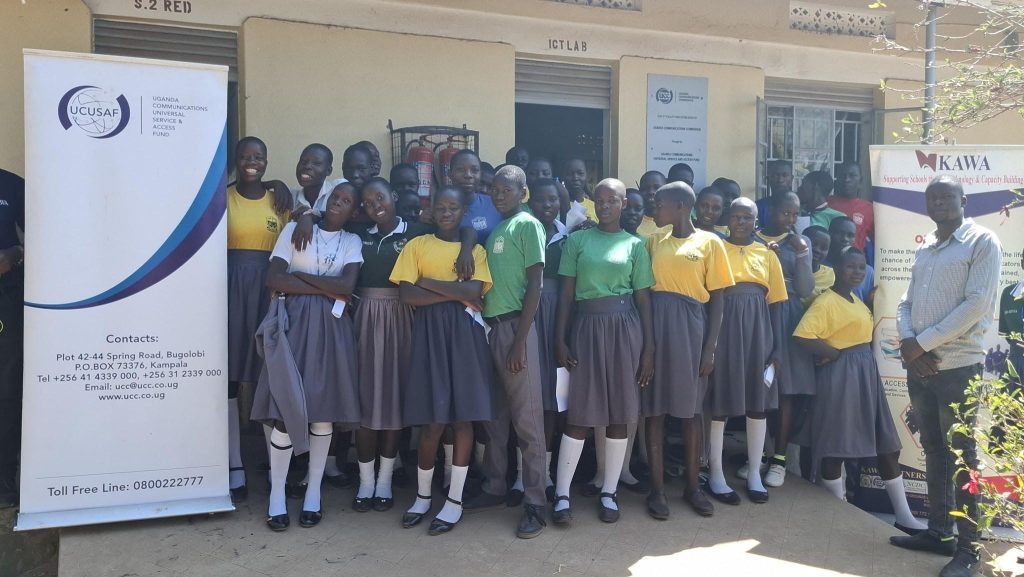
KAWA Uganda conducted an ICT Club activity at Atiira Seed Secondary School in Serere District on 9th March 2025. The school is located in Atiira Town Council along the Soroti–Serere Road.
The activity was facilitated by Moses Wamanga from KAWA Uganda, with support from the school team, including Musasizi Chris and Epenu Richard. The training brought together students and staff members as part of the ongoing effort to strengthen digital literacy, innovation, and responsible use of ICT resources in schools.
A total of 6 staff members attended the training, and all 4 department members were present. The student participants were mainly drawn from Senior One, Senior Two, and Senior Three. During the session, 39 networked computers were used for training, giving learners an opportunity to participate in practical activities.
The training introduced learners to the purpose of the ICT Club and its role in promoting digital literacy, creativity, innovation, and responsible use of the ICT laboratory. Students were guided on the mission, vision, goals, leadership structure, and responsibilities of the club.
The session also covered ICT laboratory management and sustainability. Learners were trained on how to maintain computers, follow proper laboratory usage guidelines, organise ICT resources, and support regular cleaning and maintenance of equipment. This was aimed at helping the school keep the ICT laboratory functional and useful for learning.
Basic computer maintenance and troubleshooting were also discussed. Students learnt how to identify common computer problems such as slow performance, system errors, software issues, and connectivity challenges. They were also introduced to basic steps such as software updates, virus scanning, and knowing when to seek professional technical support.
Internet safety and cybersecurity awareness formed an important part of the training. Learners were guided on safe browsing, protecting personal information, avoiding online scams, creating strong passwords, and recognising online threats such as phishing, malware, and cyberbullying.
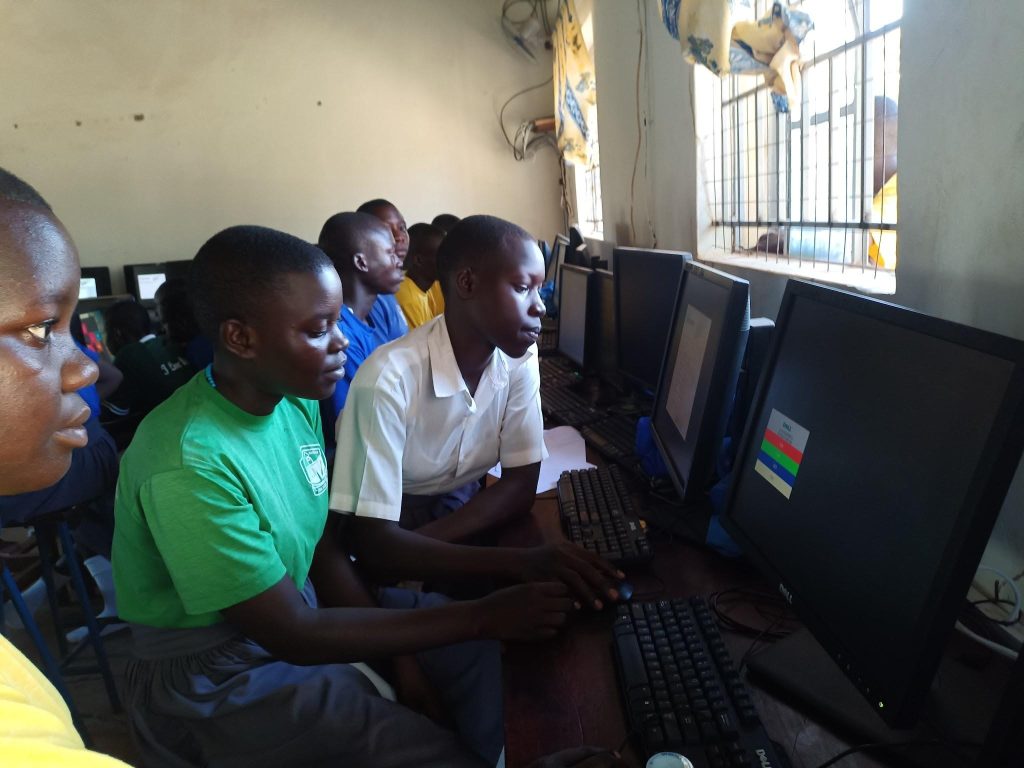
The training further introduced students to digital skills beyond the normal classroom curriculum. These included advanced use of word processing, spreadsheets, presentations, basic coding concepts, online research, collaboration tools, and digital project development.
Learners were also introduced to basic networking and internet usage. They discussed concepts such as LAN, WAN, Wi-Fi, secure internet access, proper use of search engines, and how to evaluate online information for accuracy and credibility.
Another key topic was engagement with UCC and UCUSAF on ICT matters. Students were encouraged to understand the role of these institutions in promoting ICT development and to take interest in available opportunities such as mentorship, consultations, competitions, and innovation programmes.
The training also encouraged learners to participate in ICT innovation and competitions. Students were guided on how to brainstorm project ideas, develop digital solutions, prepare for school-based showcases, and take part in local and national ICT competitions.
A survey was also conducted to establish the number of learners who had access to smart devices such as smartphones and tablets. This information will support future planning for ICT Club activities and digital learning programmes.
One of the major challenges identified during the activity was the need for maintenance and repair of school computers. Addressing this challenge will help improve the effectiveness of future ICT training sessions and enable learners to benefit more from the available ICT resources.
The ICT Club activity at Atiira Seed Secondary School was an important step towards strengthening practical digital learning in Serere District. With continued support from KAWA Uganda, school leadership, and partners, the school has the potential to grow its ICT Club into a strong platform for innovation, responsible technology use, and learner-led problem-solving.